Image awaiting approvalPhotorealistic garment detail explaining personalised player names
Keep fixed marks and variable player data in clearly labelled fields.
Football kits
From Sialkot, Pakistan, UNQTEX develops custom football shirts, shorts, socks and requested training pieces for clubs, schools, brands and distributors. Club colours, crests, sponsors, names, numbers, fabric, size split, approximate quantity, required date and destination are reviewed before quotation.
Start a football kit briefA football programme starts with the match garments, the team identity and a controlled approval route. Match and training requirements should be listed separately so every colourway, garment and player field can be checked before production is considered.



| Core match set | define every shirt, short and sock combination. |
|---|---|
| Optional match variation | approve home, away and goalkeeper artwork independently. |
| Supporting teamwear | treat each requested training or travel garment as a separate product specification. |
The three directions can share one crest and typography system while using clearly distinct colourways. Each requires its own approved artwork, garment list and size split; any competition contrast rule must come from the buyer's current brief.
Fit direction, sleeve and shoulder movement, panel layout, seam placement, ventilation requests, neckline, hem and short construction all belong in the product specification. These decisions are approved as visible construction details, not reduced to an unsupported performance label.
Record the intended body fit and the movement expected through shoulder and sleeve.
Mark every panel, underarm or side ventilation request on the technical artwork.
The appropriate fabric depends on playing climate, fit, opacity, stretch, breathability, hand feel, durability, decoration and budget.
| Item | Compare fabric by shirt, shorts and panel use rather than by a single 'best fabric' claim. |
|---|---|
| Item | Check opacity, stretch and decoration compatibility on the proposed colour and construction. |
| Item | Moisture-wicking, recycled, antimicrobial and UV claims require product-specific evidence. |
Decoration must be selected against the artwork, fabric, stretch, placement, variable player data, quantity and care needs. Full sublimation may suit some polyester artwork programmes, while crests, sponsors and late-added personalisation require their own product-specific assessment.
Compare visual result, hand feel, suitable material and placement limits.
Approve variable names and numbers separately from fixed crest and sponsor artwork.
Use one controlled roster and the highest-quality available artwork. Spelling, duplicate numbers, placement, scale, colour and every variable field should appear on the approval visual before the buyer's nominated approver signs off.
Keep fixed marks and variable player data in clearly labelled fields.
Confirm front, back, sleeve and short placements at readable scale.
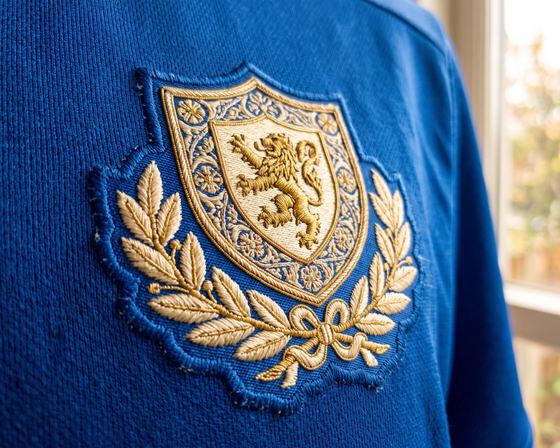
The buyer remains responsible for permission to use supplied club and sponsor marks.
Photorealistic artwork approval detail
Start with the product-specific size chart, then record player name, number, garment type, fit and size in one validated roster. Senior, youth, goalkeeper and staff requirements should remain distinguishable, with one buyer approver responsible for the final file.
A football sample should make the agreed garment measurable and reviewable before bulk authorisation. Check measurements, fit, movement, construction, fabric, opacity, colour, all identity applications, shorts, socks and care information where applicable.
Compare the sample with the approved measurement sheet and artwork, not memory.
Move through neckline, panels, seams, crest, sponsors, names and numbers in a fixed checklist.
A credible pre-shipment review names the observable checks: measurements, seam and stitch appearance, panel matching, decoration placement, colourway, player data, garment count and packing.
Training products can share the approved club identity when each garment is separately specified. A later reorder is a new feasibility check against current material, colour, decoration, quantity and production conditions, not an automatic promise of exact continuity.
Until that evidence is supplied, the imagery here is football-kit inspiration and must not be read as a client, endorsement or manufactured-order claim.
Send the garment list, colourways, player count and size split so feasibility can be reviewed for the exact programme.
The verified core is a shirt, shorts and socks. Home, away, goalkeeper and supporting training pieces should be listed separately and confirmed for the requested specification.
They can be submitted as one programme for review, but each colourway needs separate artwork, garments, quantities and sizing. Availability and commercial terms are confirmed after the brief is assessed.
There is no evidence-based universal answer.
These identity fields are part of the approved football scope. The exact application method must be assessed against fabric, artwork, placement and care, and the buyer must have permission to use every mark.
Keep adult, youth, goalkeeper and staff products clearly separated in the roster for review.
Ask for the sample route in the brief and identify the measurements, fit, construction, colours and decoration that must be approved.
Use one controlled roster, run spelling and duplicate checks, map every player to a garment and size, then have one nominated buyer approver sign off the final file.
Yes as a design approach: approved colours, crest and typography can guide supporting garments. Each product still needs separate construction, artwork, size and quantity confirmation.
Current material, colour, decoration, quantity and production feasibility must be reconfirmed at the time of reorder.
Share the required date, destination and full specification so the current schedule can be reviewed.